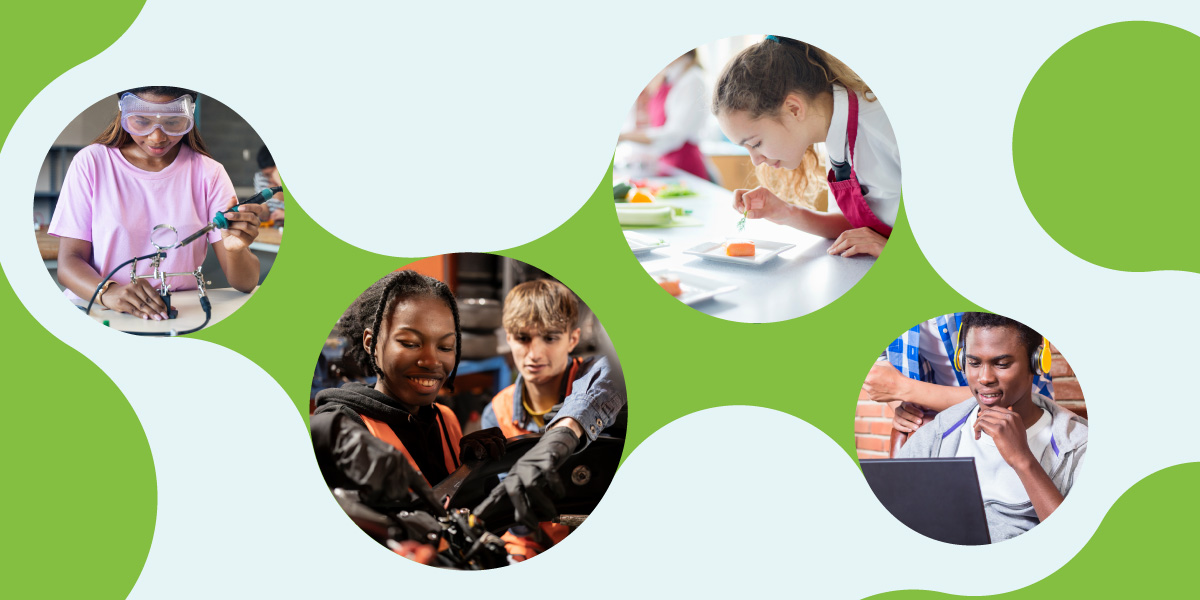


CTE programs are producing strong outcomes in graduation, engagement, and pathway participation.
But too many students still struggle to explain their thinking, improve the quality of their work, and adapt their skills in new situations.
That is where certification gaps often begin.
This is the shift: students need to understand what quality looks like, use feedback to revise, and prove they are ready for what comes next.
That means:
That is how students move from completion to readiness.
Complete this form to strengthen your CTE program.
Contact us to learn more about our programs and how Competency-Based Learning can transform your educational experience.
Embrace the power of personalized learning and unlock your potential with Competency-Based Learning at your school/system.

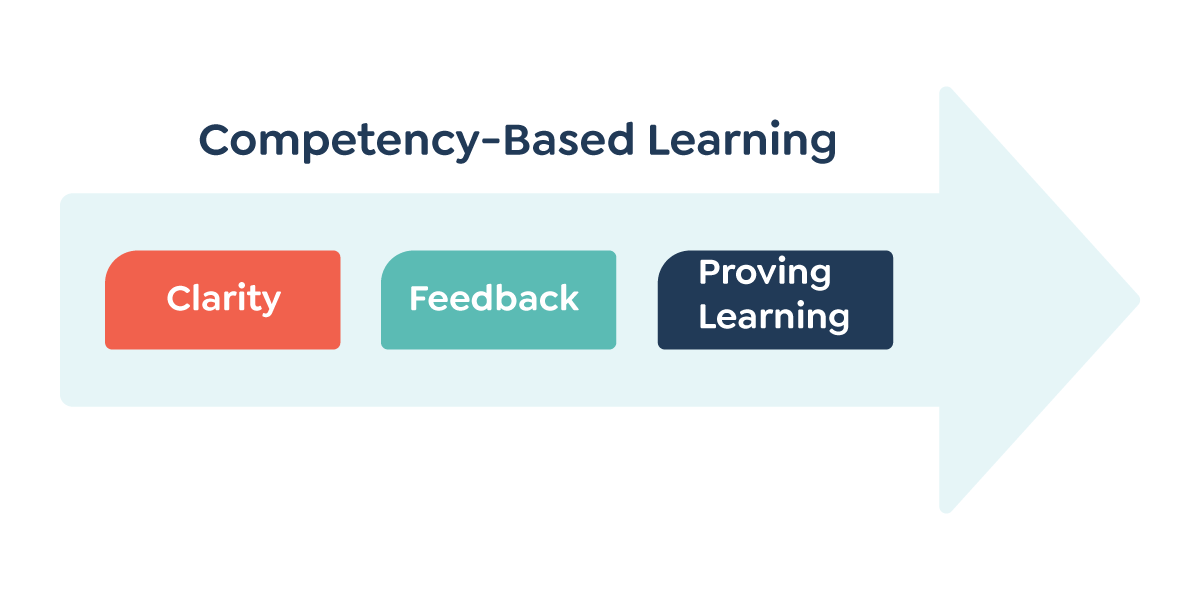
Clear Competencies and Outcomes: Defined learning goals and outcomes provide transparency and clarity for students, parents, and educators.
Clear Competencies and Outcomes: Defined learning goals and outcomes provide transparency and clarity for students, parents, and educators.

Ongoing Assessment and Feedback: Continuous assessment and constructive feedback help students stay on track and make informed decisions about their learning.
Ongoing Assessment and Feedback: Continuous assessment and constructive feedback help students stay on track and make informed decisions about their learning.

Competency-Based Grading: Competency-based reporting-grading focuses on assessing students' mastery of specific skills and knowledge, ensuring that each learner achieves mastery before progressing to the next competency.
Competency-Based Grading: Competency-based reporting-grading focuses on assessing students' mastery of specific skills and knowledge, ensuring that each learner achieves mastery before progressing to the next competency.

Dispositional Learning: Essential mindsets like curiosity, patience, perseverance, empathy, and self-motivation are crucial for learning transfer.
Dispositional Learning: Essential mindsets like curiosity, patience, perseverance, empathy, and self-motivation are crucial for learning transfer.

Culturally Responsive-Sustaining: Competency-based learning is culturally responsive because it recognizes and values diverse cultural backgrounds and experiences, allowing students to demonstrate their knowledge and skills in ways that are meaningful and relevant to their own lives.

Real World Learning: Competency-based learning bridges the gap between education and real-world application by emphasizing the development of practical skills and knowledge that students can directly apply in real-life scenarios, enhancing their readiness for college, career, and everyday challenges.

Technology Integration: Innovative tools and resources enhance the learning experience, providing interactive and engaging ways to demonstrate competence through deliberate practice.
Culturally Responsive-Sustaining: Competency-based learning is culturally responsive because it recognizes and values diverse cultural backgrounds and experiences, allowing students to demonstrate their knowledge and skills in ways that are meaningful and relevant to their own lives.
Real World Learning: Competency-based learning bridges the gap between education and real-world application by emphasizing the development of practical skills and knowledge that students can directly apply in real-life scenarios, enhancing their readiness for college, career, and everyday challenges.
Technology Integration: Innovative tools and resources enhance the learning experience, providing interactive and engaging ways to demonstrate competence through deliberate practice.


Learning is competency-based: Students progress based on their competency.
Students take ownership over their learning: Students are given the agency to choose what they want to learn, how they want to learn it, and when and where they want to learn it.
Learning is personalized: Learning experiences are tailored to the individual needs of students.
Learning happens anytime, anywhere: Learning can take place outside of the classroom, such as in the library or on the playground.
Learning is competency-based: Students progress based on their competency.
Students take ownership over their learning: Students are given the agency to choose what they want to learn, how they want to learn it, and when and where they want to learn it.
Learning is personalized: Learning experiences are tailored to the individual needs of students.
Learning happens anytime, anywhere: Learning can take place outside of the classroom, such as in the library or on the playground.
CTE is a critical driver of workforce readiness and economic mobility.
This work aligns with statewide initiatives such as:
This approach makes student thinking, improvement, and readiness visible.
Students are not career-ready because they completed a task one time.
They are career-ready when they can:
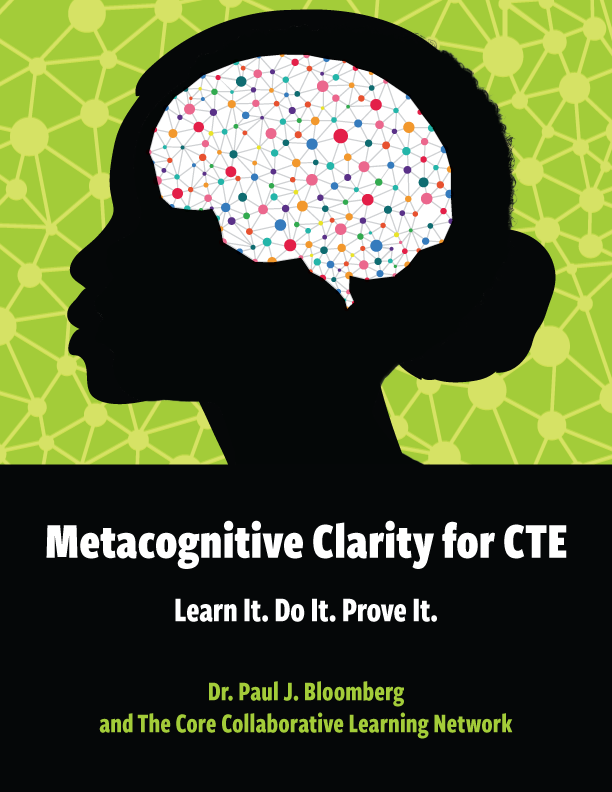
Metacognitive Clarity for CTE: Learn It. Do It. Prove It. helps leaders, coaches, and CTE teams make that shift visible in classrooms, pathways, and programs.
Career readiness is about how students see themselves as learners and make decisions, and how teams support growth in ownership over time.
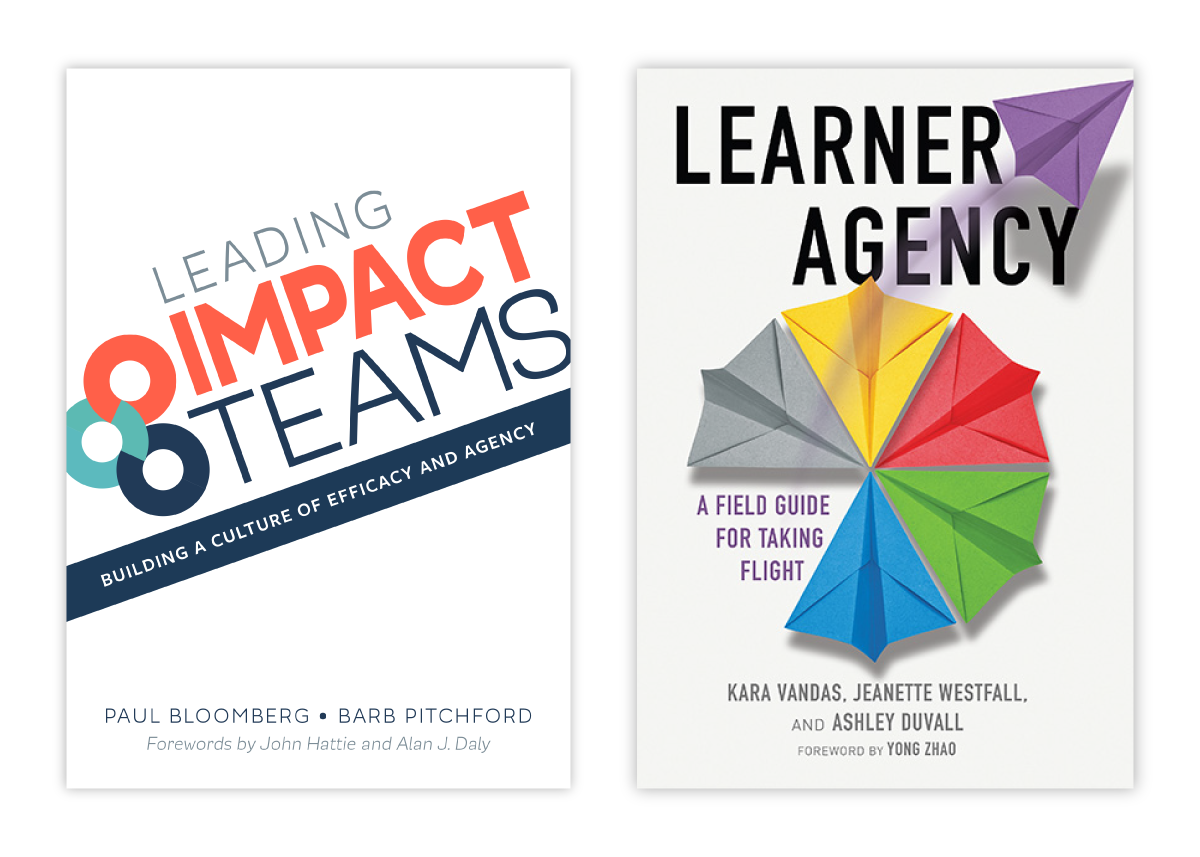
Learner Agency: A Field Guide for Taking Flight and Leading Impact Teams: Building a Culture of Efficacy and Agency help leaders, coaches, and teams create the conditions for reflection, agency, and purposeful action across classrooms and systems.
Together, they provide a practical path for making learner ownership, team efficacy, and instructional impact more visible, meaningful, and sustainable.
Leveraging Learning
Progressions at PS 5
Goal Setting at LTHS
Student Reflection at Petrides